
2026 Section 179 Manufacturing Equipment Tax Guide
Maximizing Your ROI: The 2026 Complete Guide to Section 179 Manufacturing Equipment Deductions Running a profitable manufacturing business requires constant investment in heavy machinery, technology, and facility upgrades. Balancing these capital expenditures with your cash flow can be incredibly challenging without the right tax strategy. Fortunately, the IRS provides a powerful tool to help manufacturers…
Maximizing Your ROI: The 2026 Complete Guide to Section 179 Manufacturing Equipment Deductions
Running a profitable manufacturing business requires constant investment in heavy machinery, technology, and facility upgrades. Balancing these capital expenditures with your cash flow can be incredibly challenging without the right tax strategy. Fortunately, the IRS provides a powerful tool to help manufacturers offset the steep costs of upgrading their operations.
Atomic Definition: Section 179 is a tax code provision allowing businesses to deduct the full purchase price of qualifying equipment and software acquired during the tax year.
For the manufacturing sector in 2026, leveraging the deduction for section 179 manufacturing equipment is a complete game-changer. Instead of capitalizing and depreciating machinery slowly over several years, you can write off the entire cost in the year it is placed into service. This immediate deduction drastically reduces your gross taxable income and frees up capital for operational growth.
This comprehensive guide provides a step-by-step roadmap to successfully claiming this vital tax incentive. By following these guidelines, you can ensure your 2026 equipment investments yield the maximum possible return on investment.
What You Need to Claim the Deduction
Claiming this massive tax benefit requires a bit of preparation and strict adherence to IRS guidelines. You cannot simply buy a machine and deduct it without having the right elements in place. Here is exactly what you need to successfully claim the deduction for your manufacturing facility.
Eligible Manufacturing Equipment
The foundation of your claim is purchasing, financing, or leasing qualifying machinery for your business. The IRS is quite broad about what qualifies, provided the equipment is essential to your manufacturing processes.
Atomic Definition: Eligible manufacturing equipment refers to tangible personal property, whether new or used, that actively facilitates the production, assembly, or safety of your business operations.
For a manufacturing facility, eligible property spans a wide variety of assets. You can confidently deduct the following types of equipment:
- Heavy assembly line machinery and robotics.
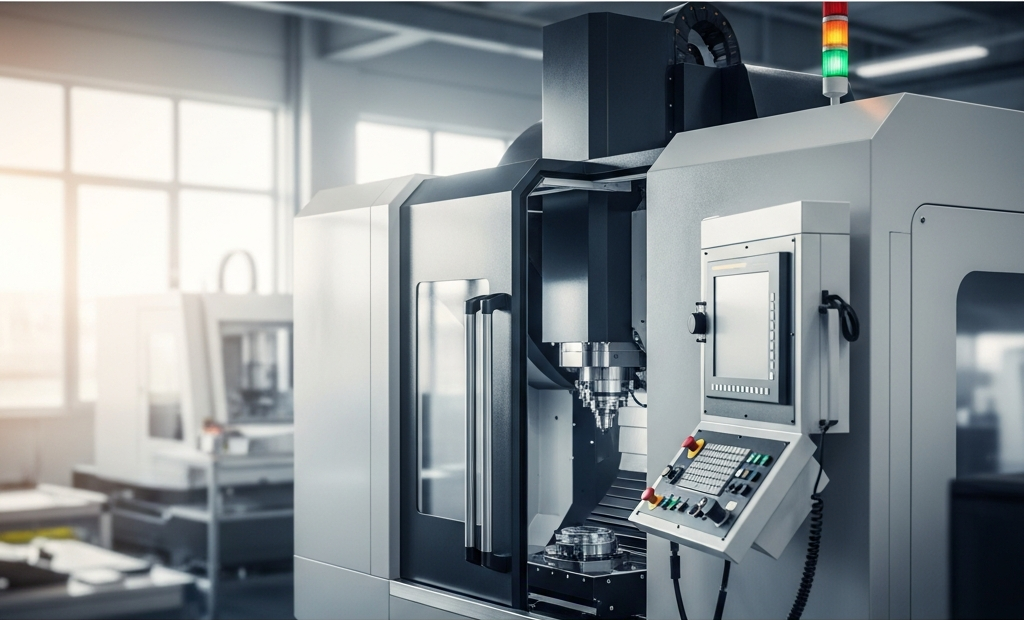
- Computer Numerical Control (CNC) machines and industrial lathes.
- Specialized heavy hand tools and testing equipment.
- Computer-Aided Design (CAD) software and enterprise management systems.
- Safety equipment and specialized ventilation systems.
Accurate Financial Records and Invoices
The IRS demands stringent proof when you claim significant tax deductions. You must maintain impeccable financial records to substantiate your equipment purchases. If you are audited, an organized paper trail is your only line of defense.
Make sure you gather and safely file all purchase orders, bills of sale, and lease agreements. Additionally, you need clear installation receipts and delivery logs. Documentation must explicitly prove the exact date the equipment was acquired and became fully operational on your floor.
Tax Form 4562
Filing for this deduction is not automatic; you must actively elect to take it on your annual tax return. This is done using a specific document provided by the IRS.
Atomic Definition: IRS Form 4562 is the official tax document used to declare depreciation and amortization deductions, including the Section 179 election.
You will need this form to formally request your section 179 manufacturing equipment deduction. Ensure you have your business tax software updated for the 2026 tax year to generate this document correctly. Better yet, have a qualified Certified Public Accountant (CPA) ready to assist you with the complex calculations.
Step-by-Step Guide to Deducting Section 179 Manufacturing Equipment
Navigating the tax code does not have to be a frustrating experience. By breaking the process down into actionable steps, you can confidently secure your deduction. Follow this step-by-step framework to optimize your 2026 tax strategy.
Step 1: Verify Equipment Eligibility and “Placed in Service” Status
Before proceeding with your tax filings, you must confirm your new machinery qualifies as tangible personal property used for business. However, simply buying the equipment is not enough to trigger the deduction. The IRS specifically mandates that the machinery must be operational.
Atomic Definition: “Placed in service” means the equipment is fully installed, tested, and actively ready for its intended business use.
Ensure the equipment was not just purchased, but actively placed in service by the strict deadline of December 31, 2026. If a machine is paid for but still in transit or awaiting installation at year-end, it does not qualify. Always schedule your deliveries and installations well before the holiday season to avoid missing this critical window.
Step 2: Calculate Your Total Equipment Cost and the 2026 Limits
Once you verify your equipment is operational, tally the total cost of all acquired machinery for the year. This total must be compared against the specific Section 179 limits set by the IRS for 2026. These numbers dictate exactly how much you can legally deduct.
Atomic Definition: The phase-out threshold is the maximum spending limit on total equipment purchases, after which your Section 179 deduction is reduced dollar-for-dollar.
Review the 2026 Section 179 deduction limits and the equipment purchase phase-out threshold to determine your maximum allowable deduction. Because the IRS adjusts these figures annually for inflation, consult your CPA for the precise 2026 caps. If your total purchases exceed the threshold, your available deduction will begin to diminish.
Step 3: Determine the Business-Use Percentage
The IRS recognizes that sometimes equipment is shared between business and personal use. To qualify for Section 179, your machinery must be used predominantly for business purposes. The absolute minimum requirement here is more than 50% of the time.
You must calculate the exact percentage of business use for each piece of equipment. If a piece of machinery is used 80% for business and 20% for personal projects, you must prorate the deduction. In this scenario, you can only apply Section 179 to 80% of the equipment’s total cost.
Step 4: Elect the Deduction on Your Tax Return
The final step is the actual execution of your tax filing. Work diligently with your tax professional to complete Part I of IRS Form 4562. This section is specifically dedicated to electing the Section 179 deduction.
You must explicitly list your section 179 manufacturing equipment on this form and attach it to your 2026 business tax return. Failing to fill out this specific section means you default to standard, multi-year depreciation. Always double-check this form before signing your final corporate tax return.
Common Mistakes to Avoid
Even seasoned manufacturing executives make costly errors when filing for tax incentives. A simple misunderstanding of the rules can lead to denied deductions and unexpected tax bills. Keep an eye out for these frequent stumbling blocks to protect your bottom line.
Missing the “Placed in Service” Deadline
The most frequent error is assuming a signed purchase order qualifies for the deduction. Payment alone does not satisfy the IRS requirements for Section 179.
If the machinery is sitting in a crate on your loading dock on December 31, 2026, it does not qualify for that tax year. You must physically install the equipment and have it ready for production before the stroke of midnight on New Year’s Eve.
Misunderstanding the Phase-Out Thresholds
Many large-scale manufacturers buy millions of dollars in equipment and mistakenly expect a full deduction. Section 179 is primarily designed to help small and medium-sized businesses grow their operations.
If your total equipment purchases exceed the 2026 spending cap, the Section 179 deduction reduces dollar-for-dollar. Once you hit the absolute maximum spending limit, the deduction completely disappears, leaving you to rely on standard depreciation.
Overlooking Financed or Used Equipment
Manufacturers often mistakenly believe only brand-new, cash-purchased machinery qualifies for tax incentives. This myth causes many businesses to leave thousands of dollars on the table during tax season.
Used equipment is fully eligible, as long as it is “new to you” and not previously owned by a related party. Furthermore, machinery acquired through qualifying finance agreements or capital leases is completely eligible for the section 179 manufacturing equipment deduction.
Failing to Maintain the 50% Minimum Business Use
Claiming the deduction is only the first part of your obligation to the IRS. You must also maintain the equipment’s business-use status for the duration of its standard depreciation period.
Atomic Definition: Section 179 recapture is an IRS penalty requiring you to pay back a portion of your tax deduction if your equipment’s business use drops below 50%.
If business use drops below that 50% threshold in subsequent years, you will face Section 179 recapture. This means you will have to amend your taxes and pay the IRS back for the deduction you previously claimed.
Frequently Asked Questions
Tax laws are notoriously complex, and unique manufacturing scenarios often lead to specific questions. Here are some of the most common questions facility owners ask regarding the 2026 deduction.
Can I claim section 179 manufacturing equipment deductions if my business operates at a loss?
No, you cannot use this deduction to create or increase a net operating loss. The Section 179 deduction cannot exceed your total taxable business income for the given tax year.
However, this does not mean you completely lose the tax benefit of your equipment purchase. You can simply carry forward the disallowed deduction amount to the next tax year when your business is profitable.
How does Bonus Depreciation interact with Section 179 in 2026?
If you exceed the Section 179 spending cap or reach your maximum deduction limit, Bonus Depreciation acts as an excellent safety net. You may be able to apply Bonus Depreciation to the remaining cost of the equipment.
Note that Bonus Depreciation percentages have been phasing down in recent years and may continue to do so in 2026. Therefore, maximizing your Section 179 deduction first is usually the most lucrative and reliable tax strategy.
Do custom-built manufacturing machines qualify?
Absolutely, as the IRS understands that production facilities often require specialized tools. Many manufacturers rely on highly specialized, custom-engineered equipment that is built to order.
As long as the custom-built machinery is tangible personal property used for manufacturing, it completely qualifies. Just remember, the fabrication must be finished and the machine must be placed into service before the end of the 2026 tax year.
Final Result: Reaping the Financial Benefits
Taking advantage of Section 179 requires diligence, accurate record-keeping, and proactive planning. However, the financial payoff for your manufacturing business is well worth the administrative effort.
Lowering Your 2026 Tax Liability
By successfully navigating this guide, the final result is a significantly reduced gross taxable income for your enterprise. Claiming the deduction effectively lowers the net cost of your equipment by your marginal tax rate.
This aggressive tax strategy keeps vital cash inside the business rather than sending it off to the IRS. It transforms a daunting capital expense into a highly subsidized investment in your company’s future.
Reinvesting Savings into Manufacturing Growth
With your tax burden legally minimized, the final step in the process is reallocating those retained earnings. You can now use those substantial tax savings to gain a competitive edge in your market.
Consider using these unlocked funds to hire highly skilled labor or expand your production facility’s footprint. Alternatively, you can bankroll the acquisition of even more machinery for the upcoming year, ensuring a cycle of continuous manufacturing growth.